Ketamine Assisted Psychotherapy
I am passionate about supporting individuals to move from hopelessness and joylessness into aliveness through intentional use of psychedelic medicines including ketamine. While ketamine is not a quick fix and treatment requires ongoing intention and effort, I have heard clients describe ketamine as giving them their life back.
As a ketamine assisted psychotherapy provider, I use a balance of directive and non-directive approaches to hold your experience through the process of preparation, dosing with ketamine coordinated by a medical provider, and integration and meaning making.
I hold certifications from Integrative Psychiatry Institute for Psychedelic Assisted Therapy and from Fluence for Ketamine Assisted Psychotherapy.
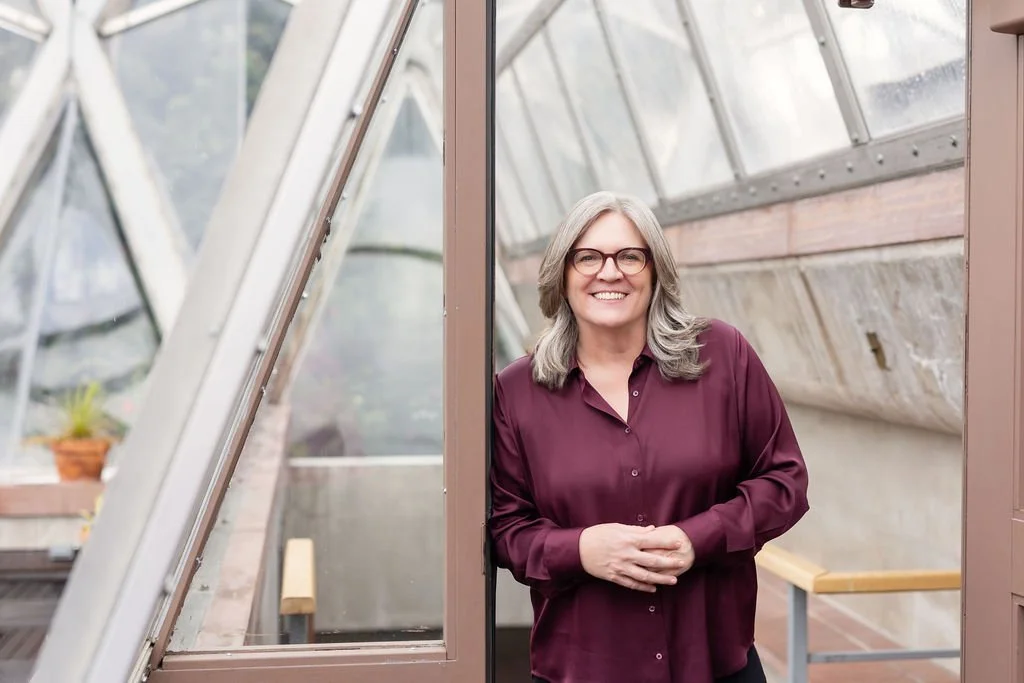
Mary Beth Faccioli, LCSW, NMIT
What is Ketamine Assisted Psychotherapy?
Ketamine assisted psychotherapy (KAP) is an approach to healing that combines the use of ketamine alongside psychotherapy. Ketamine is a legal, safe, effective medicine with rapid antidepressant and mood-enhancing effects. With KAP, there is a synergistic effect between the medicine and the therapy which can induce rapid therapeutic change. KAP is particularly helpful for people who feel stuck in therapy, and is especially effective for treatment of depression, anxiety, and post-traumatic stress.
As a mental health treatment, ketamine helps by targeting a particular neurotransmitter, glutamate, which influences mood and thought patterns. It also triggers the release of BDNF (brain-derived neurotrophic factor), which acts like "brain fertilizer." These processes promote the rapid growth of new connections between brain cells, a process called neuroplasticity, which has the effect of reversing damaging effects of chronic stress, anxiety, and depression. Ketamine also quiets the "default mode network," the brain systems responsible for rumination and negative thought loops, giving you a break from repetitive negative thinking.
In effect, ketamine loosens rigid thought patterns and increases psychological flexibility. This combination of restored brain flexibility and reduced rumination creates an optimal state for psychotherapy, making it easier to learn new ways of thinking about yourself and your experience.

A helpful analogy
Imagine your brain as a ski slope. Over time, skiing the same trails creates deep grooves, like repetitive thought patterns. Ketamine acts like a fresh snowfall, smoothing out the slopes and giving you the chance to explore new pathways; new ways of thinking, understanding yourself, and processing emotions.
Ketamine may be a good fit if:
-
You’re seeking a break from overwhelming emotions, looping thoughts, and a dysregulated nervous system
-
You may feel like you’ve hit a wall in your progress or in current therapies
-
You’re still struggling despite other medications or treatments
-
You want to explore deeper levels of personal transformation
-
You’re willing to put in effort, not seeking a quick fix.
-
You’re not in crisis or in a period of instability, and are able to make sound decisions
-
There are aspects of your life that are supportive to your healing process
How I work with ketamine
I am a member psychotherapist with Journey Clinical, an organization that partners with licensed mental health providers to provide ketamine assisted psychotherapy. In this model, you’re prescribed sublingual rapid dissolving ketamine tablets (RDTs) via the Journey Clinical medical team. The medical team holds all of the medical aspects of providing the medicine, including:
Determining your eligibility for KAP
Providing a medical intake and follow-up medical consultations
Providing a treatment plan that includes elements of dosing and frequency
Providing a prescription for sublingual ketamine RDTs
I work collaboratively with the medical team to provide the therapeutic elements of ketamine assisted therapy, which include preparation sessions, dosing sessions, and integration sessions.
The Process of KAP
Protocols for the use of ketamine in mental health treatment suggest 6 to 8 treatments in a closely spaced timeframe. Engaging in several treatments over a short period of time provides what is known as a durability multiplier effect. While a single dose of ketamine may provide benefit for one or two weeks, a series of doses in close proximity may provide benefit for several months.
2
Dosing Sessions
Six to eight 3-hour sessions
These sessions typically occur at a frequency of one every other week. During these sessions, you ingest the ketamine, and I am present to provide a supportive, non-directive presence and gentle guidance as needed to support the dosing experience. I ensure your physical and psychological safety throughout the experience.
1
Preparation Sessions
Minimum of three 50-minute sessions
During these sessions, we create a safe container for the work. Through a discussion of your history and goals, we set intentions, build trust, and discuss what to expect during the ketamine experience.
3
Integration Sessions
Six to eight 50-minute sessions
These sessions typically occur at a frequency of one every other week, in the week following each ketamine dosing session. In these sessions, we work collaboratively to translate and make meaning of your dosing experiences to support meaningful behavioral changes and therapeutic progress.
Engaging in Maintenance
After the initial protocol of 6 to 8 dosing and integration sessions, it’s helpful and recommended to engage in maintenance treatment over a more stretched-out timeframe. Maintenance sessions stretched out over several months typically lead to sustained symptom relief and allow the brain the opportunity to “rewire” itself over time, a process that is enhanced through continued integration work in therapy.
Costs for Ketamine Assisted Psychotherapy with Journey Clinical as the provider
Please note that while my primary approach to KAP is through Journey Clinical as the medical provider, I also work with clients who receive ketamine from other local medical providers. If you are receiving ketamine in a local clinic and are interested in adding psychotherapy to your treatment, please contact me to talk about working together.

Beyond Ketamine
I am also a licensed Natural Medicine Facilitator in Training in Colorado. I provide harm reduction and integration support for clients seeking support in healing with psilocybin as well as standalone integration support for clients looking to process and make meaning of their journeys with all psychedelic medicines.